
Malware & Ransomware
Six IPs Host ROMULUS Platform for ClickFix Malware Delivery
Researchers identified six servers hosting the ROMULUS platform, which tricks users into running commands that install LegionLoader and other malicious software.
Malware & Ransomware coverage from Firewall Scoop holds 17 articles, 15 of them reference guides. The newest was published on October 20, 2026. New stories are added as soon as they are confirmed, from more than 150 sources checked as often as every 45 seconds. Each story lists its sources. Primary sources we follow for this section include MITRE ATT&CK and No More Ransom.
Researchers identified six servers hosting the ROMULUS platform, which tricks users into running commands that install LegionLoader and other malicious software.

Most backup failures stem from configuration errors that allow ransomware to encrypt copies before the original data is compromised, rendering recovery impossible.

Volatile memory captures active threats that disk-based tools miss, but acquiring it requires specialized hardware and introduces significant legal constraints.

Most infections succeed because users trust file extensions and ignore silent permission prompts that bypass standard security controls.

Quarantine isolates threats but consumes storage and masks persistent malware that survives the containment process.

Federal agents detained a Pennsylvania resident linked to a Canadian firm that negotiated ransom payments, marking a significant step in the ShinyHunters probe.

Rootkits hide by intercepting system calls, meaning standard security tools often report a clean system even when the kernel is compromised and data is being exfiltrated.

Most Mac infections hide in launch agents and browser extensions, not in obvious application folders, making standard deletion ineffective against persistent threats.

Remote access trojans hide inside legitimate software to give attackers persistent control over your system without triggering standard antivirus alerts.
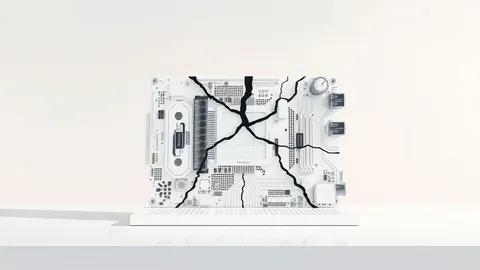
Golden images reduce deployment time but introduce a shared attack surface that amplifies the impact of any single compromise across your entire infrastructure.
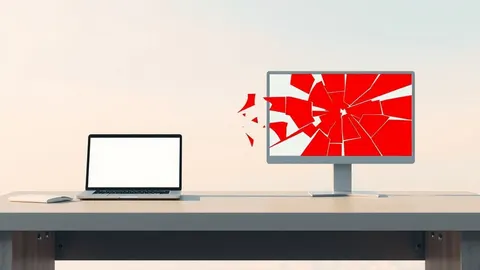
Recovery time objective forces you to choose which systems survive an attack and which you accept losing, turning chaos into a calculated trade-off.
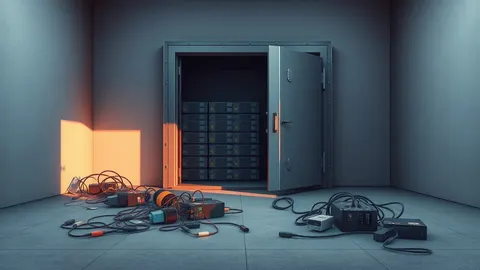
A recovery plan buys time and control during an attack, but it cannot restore data that was never saved or systems that lack trusted reference states.

Physical separation is the only defense that survives when network credentials, encryption keys, and system integrity are all compromised simultaneously.

Malicious browser extensions often hide in plain sight by mimicking legitimate tools and accessing data that standard endpoint protection ignores.

Disconnecting infected devices immediately stops lateral movement, but restoring files without verifying backup integrity invites a second, more costly infection.

Infostealers do not encrypt your files; they quietly harvest credentials and session tokens to bypass two-factor authentication and lock you out of your own accounts.

You will learn how RATs bypass standard defenses using legitimate tools and how to detect their specific network behaviors before damage occurs.