
Cyber Attacks
Hirudo RAT Replaces Eight Indonesian Banking Apps With Malicious Clones
The Android trojan tricks users into uninstalling legitimate financial apps to install modified versions that bypass security checks and steal credentials.
Cyber Attacks coverage from Firewall Scoop holds 39 articles, 19 of them reference guides. The newest was published on October 22, 2026. New stories are added as soon as they are confirmed, from more than 150 sources checked as often as every 45 seconds. Each story lists its sources. Primary sources we follow for this section include UK National Cyber Security Centre and OWASP Foundation.
The Android trojan tricks users into uninstalling legitimate financial apps to install modified versions that bypass security checks and steal credentials.
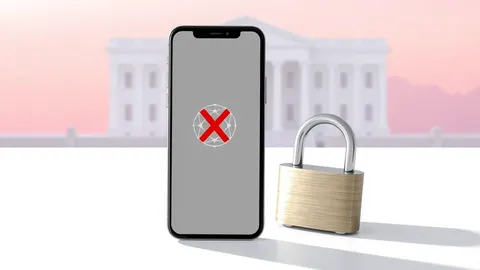
Homeland Security orders civilian agencies to purge DeepSeek tools and halt purchases, citing national security risks and data tracking concerns.

Major technology companies have blocked certificates from Indian CA eMudhra after discovering eight private keys were compromised, according to Dark Reading.
Threat intelligence reveals two domains hosting phishing pages that mimic Google Meet to harvest login details and two-factor authentication codes from users.

Public documents reveal a Pentagon plan to develop an agentic AI framework designed to navigate infrastructure and neutralize threats across connected and isolated networks.

Compromised update infrastructure pushed malware to AOMEI Backupper users during brief tampering windows in April through July.

Check Point data shows Microsoft accounted for nearly a third of all brand impersonation attempts in the third quarter, far outpacing Apple and Google.
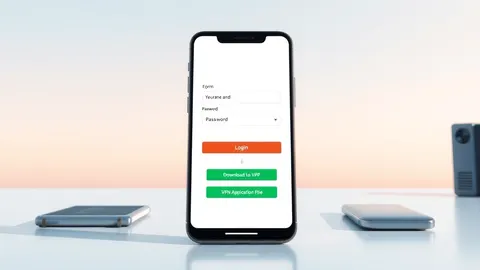
Huntress found a phishing domain that harvested VPN login details twice before delivering the genuine, signed installer to unsuspecting users.

Indian authorities warn that the SideCopy hacker group targets organizations with phishing emails that deploy a medium-severity remote access tool via malicious shortcuts.

Attackers installed Pawns.app on edge devices across 34 countries to monetize stolen bandwidth through a commercial residential proxy network.
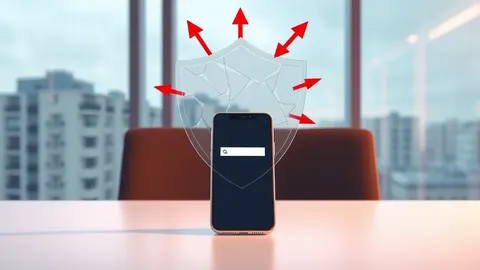
Palo Alto Unit 42 reports how an opportunistic attacker used weak identity controls and noisy scanning to compromise a European bank's internal systems before being contained.

Global takedown hits infrastructure supplying phishing kits and compromised cloud accounts to criminals targeting organizations worldwide.

Attackers intercept your data in transit by inserting themselves between two parties who believe they are communicating directly.

Automated email filters miss context-heavy attacks, so human verification of delivery channels remains the only reliable defense against targeted social engineering attempts.
Attackers mimic trusted suppliers to bypass financial controls, using subtle domain variations and social engineering to trick staff into paying fake invoices.

Most phishing failures occur because users ignore protocol mismatches and accept default browser behaviors that hide the true sender identity behind cosmetic labels.

Intrusion prevention systems actively block malicious traffic in real time, offering a layer of defense that firewalls alone cannot provide by inspecting packet contents.

Password managers protect your data from server breaches but create a single point of failure that requires strict master password hygiene and device security.

Most network defenses assume incoming packets are honest, allowing spoofed addresses to bypass perimeter checks and mask the true origin of an attack.

The hacker behind recent Grand Theft Auto 6 leaks has threatened to release a full playable build if their cryptocurrency reaches a specific valuation.

A new macOS implant creates hidden browser clones to steal live sessions, bypassing screen mirroring to control accounts covertly.

Ransomware group The Gentlemen asserts it accessed MoneyGram systems, though the payment firm has not confirmed the incident or released any stolen data samples for verification.

Federal agencies issued a detailed advisory warning that Chinese-linked actors use Integrity Technology Group to target critical infrastructure and steal data.

F5 Labs research shows CDN providers are enabling post-quantum key exchange for most major websites, masking lower internal enterprise adoption rates.