
Cyber Attacks
Late 2026: Attackers Use ARTEX AI and LLMs to Steal Data From South Korean Banks
CrowdStrike details how attackers abused the ARTEX AI pentesting tool to breach South Korean banks and exfiltrate sensitive data in late 2026.
CrowdStrike details how attackers abused the ARTEX AI pentesting tool to breach South Korean banks and exfiltrate sensitive data in late 2026.

Baiting relies on curiosity, not technical skill. You give attackers access because you ignore the mismatch between the file name and its actual content type.

Federal agents arrested a suspected operative of the ShinyHunters threat group, marking a significant enforcement step against the criminal organization according to Dark Reading.

Drive-by downloads exploit software flaws to install malware without your consent, meaning your caution alone cannot prevent the infection if your system is unpatched.

Typosquatting relies on visual confusion and human error, making subtle character swaps the primary vector for credential theft and malware distribution.

Executive impersonation often bypasses human scrutiny because it exploits trusted communication channels rather than technical vulnerabilities, making log analysis the primary defense.

A single syntax error in your SPF record can disable email authentication entirely, leaving your domain open to impersonation and fraud without any warning signs.

Your device trusts local network maps implicitly, allowing attackers to intercept traffic without breaking encryption or triggering standard alarms.
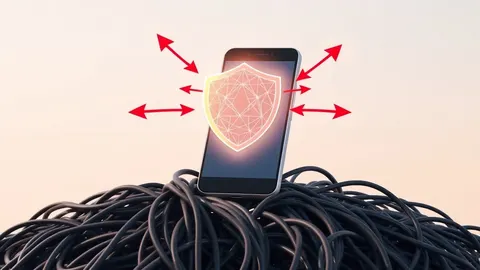
Validating the cryptographic signature of DNS responses prevents attackers from redirecting your traffic to malicious servers without user interaction.

Multi-factor authentication stops stolen passwords but fails if the second factor is intercepted or if the user is coerced into bypassing it.

Attackers steal valid data packets and resend them to trick systems into granting unauthorized access or repeating transactions.

Most invoice fraud bypasses visual checks by exploiting trusted vendor relationships and subtle email header inconsistencies that standard filters ignore.
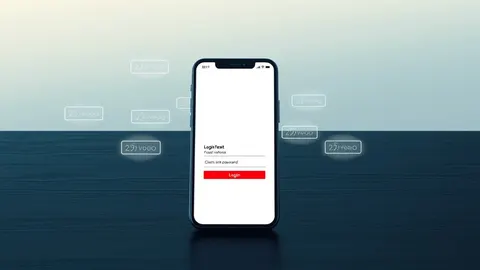
Attackers do not need to crack your password; they simply test whether your old, leaked credentials still work on other services you use.

Bot protection works by analyzing behavior patterns rather than just checking credentials, allowing systems to distinguish human intent from automated scripts.

Microsoft Security outlines three key lessons from expanding AI-driven vulnerability discovery from Windows systems to the Linux kernel.